Travel Tips Munich
![[Translate to Englisch:] Blick über die Münchner Altstadt mit den Türmen der Frauenkirche vor den Alpen im Hintergrund.](/fileadmin/_processed_/8/f/csm_Muenchen_Panoramaaufnahme__3__9b2ec04244.jpeg)
Things to know before going to Munich
Planning a trip to Munich? The Bavarian capital is known for its grand sights, luxury shopping, world-famous beer culture and, of course, the legendary Oktoberfest. It’s no surprise that this charming yet vibrant city in southern Germany is high on many people's travel wish lists.
To help you settle in quickly and make the most of your visit, here are our most useful Munich travel tips – practical, honest and drawn from real local experience.
Getting around Munich
How do you get from the airport to the city?
Munich Airport (MUC) is connected to the city by the S-Bahn (lines S1 and S8). The journey takes about 40–45 minutes, with trains running every 10 minutes.
What about night transport?
The U-Bahn stops running at around 1 a.m. at weekends (earlier during the week), but night buses (called “Nachtlinien”) cover the main routes. Taxis, Uber and Bolt are also available.
Can you walk or cycle in the city?
Definitely! The city centre is compact, and locals love cycling. Use the bike lanes and remember that cyclists expect the rules to be followed.
Money & payments
Card or cash?
Both. While cards are widely accepted, some cafés and beer gardens prefer cash. ATMs (“Geldautomaten”) are easy to find.
How does tipping work?
Tipping is discreet: 5–10% in restaurants is fine. Round up the bill and say the total aloud when paying. Service is included, but a tip is appreciated.
Eating, drinking & local traditions
How do beer gardens work?
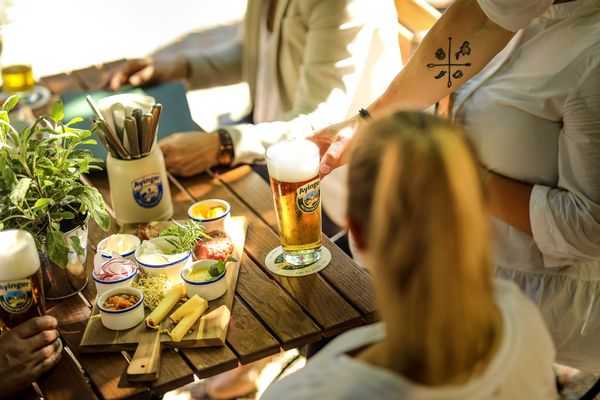
Beer gardens are an integral part of Munich's urban culture. The atmosphere is relaxed and convivial, seats are often shared, and self-service is the norm in many areas. Traditionally, you can bring your own food, but drinks must be purchased on site. These are to be distinguished from so-called “Wirtsgärten” (pub gardens). These belong to a restaurant or hotel, offer full table service, and have a complete menu.
What should you try to eat?
Bavarian classics include Weißwurst (before noon), Schnitzel, pork with dumplings, and pretzels. The portions are large, and the cuisine is down-to-earth and hearty. If you would like to experience this cuisine, you can find it at our Ayinger am Platzl tavern or at the Pfistermühle restaurant, among other places.
Going out in Munich
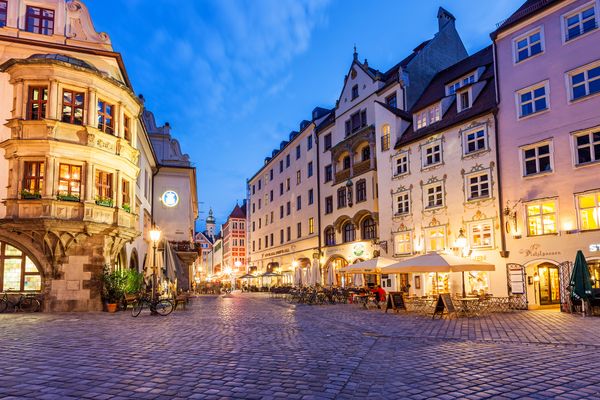
Where should you go out in Munich?
For nightlife, head to:
- Glockenbachviertel: trendy bars and LGBTQ+ friendly clubs
- Schwabing: classic pubs and student hangouts
- Maxvorstadt: home to arthouse cinemas and cool cocktail bars
Where should foodies go?
Try:
- Viktualienmarkt: gourmet snacks and local produce
- Haidhausen: cosy bistros, wine bars and slow food
- Schlachthofviertel: hip dining with international flair
Local tip: many restaurants fill up fast, so book ahead for dinner, especially at weekends.
Opening hours & Sundays in Munich
Are shops open on Sundays?
No. Most shops are closed on Sundays due to statutory closing times. Some bakeries and shops at the main and east train stations or at the airport are exceptions.
What can you do on a Sunday?
Enjoy a quiet stroll, visit a museum, explore the English Garden, or relax in a café. Munich slows down – and that’s part of the charm.
What to wear & when to visit
What to wear in Munich?
Smart-casual works nearly everywhere. Locals dress practically and neatly. Comfortable shoes are a must. Traditional outfits like Dirndl or Lederhosen are mostly for festivals like the Oktoberfest.
When’s the best time to go?
Munich is worth a visit all year round:
- Spring: Fresh air, flowers, fewer tourists
- Summer: Beer gardens, trips to nearby lakes, long evenings
- Autumn: Oktoberfest, golden light, harvest mood
- Winter: Christmas markets, snow, cosy cafés
Language & Safety
Do people speak English?
Yes – especially in tourism. Still, a few German words (Hallo, Bitte, Danke) are polite and appreciated.
Some useful words:
- Hallo – Hello
- Servus – A Bavarian hello (or goodbye)
- Danke – Thank you
- Bitte – Please, you’re welcome
- Prost – Cheers
- Entschuldigung – Excuse me
- Brotzeit – A traditional Bavarian snack or light meal
- Maß – one litre of beer (yes, really!)
- Oachkatzlschwoaf – Bavarian for “squirrel’s tail”. It's a fun thing to say to check if you can pronounce Bavarian!
Local tip: You don't need to pronounce it perfectly – people will appreciate the effort!
Is Munich safe for travellers?
Yes. In fact, it’s considered one of Europe’s safest cities. However, keep an eye on your valuables, especially in crowded areas.
Munich travel FAQs
How many days should you spend in Munich?
2–3 days to see the highlights, or longer if you want to explore the neighbourhoods or take a day trip.
Is Munich expensive?
Yes – but the quality, service and overall experience reflect the price level.
Can you drink tap water?
Yes. Munich’s tap water is clean, safe and delicious.
Should you book restaurants in advance?
Yes, especially at weekends or for popular places. Walk-ins are usually fine for lunch or beer gardens.
Where to stay in Munich?
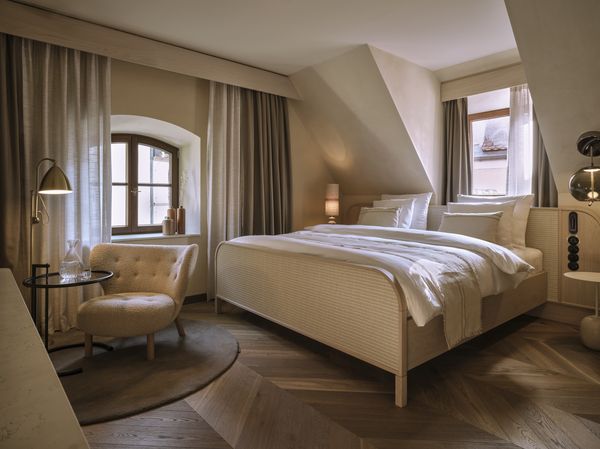
Looking for the perfect place to stay to explore the city? Our Platzl Hotel is located in the heart of the historic old town, just steps from Marienplatz, Viktualienmarkt and Hofbräuhaus. It offers four-star comfort combined with authentic Bavarian hospitality, making it an ideal choice for foodies, culture lovers and first-time visitors alike.